
In the automobile manufacturing process, production areas related to painting, final assembly, electronic components and new energy batteries have different requirements for air cleanliness, temperature and humidity and air flow organization. Properly designed HVAC systems can reduce particulate matter pollution in the air, stabilize the production environment, and reduce equipment operation and maintenance costs.
1. Divide clean areas according to the production process
Different processes in the automobile manufacturing workshop have different requirements for the air environment.
The coating area focuses on controlling dust and particulate matter in the air to prevent impurities from affecting the coating quality; the electronics and precision assembly areas pay more attention to particle control; the new energy battery-related production areas also need to focus on controlling humidity and dew point.
Therefore, before designing the HVAC system, zoning design should be carried out based on the production process, cleanliness requirements, number of personnel and equipment calorific value.
2. Use a reasonable multi-stage filtration system
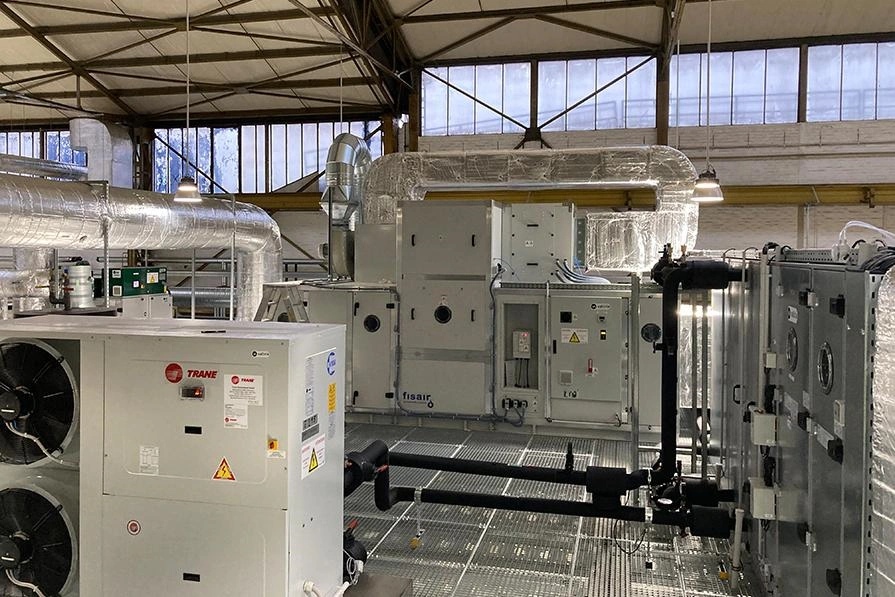
Clean workshop air treatment usually adopts a multi-stage filtration structure.
Primary filter is used to intercept larger particles and protect the air conditioning box and rear-end filters; Medium-efficiency filter further reduces the concentration of particulate matter in the air; for areas with higher cleanliness requirements, a HEPA high-efficiency filter can be installed at the end.
Multi-stage filtration can reduce the load on the back-end high-efficiency filter and extend the service life of the filter.
3. Select HEPA filters according to the process
Not all automobile production areas need to install HEPA filters. The selection should be based on actual cleanliness requirements, design air volume and production process.
For areas that require high cleanliness control, the filtration grade, rated air volume, initial resistance, size and sealing method of the HEPA filter should be clearly defined.
When purchasing, you should not only focus on filtration efficiency, but also consider whether the filter resistance matches the fan residual pressure to avoid insufficient air volume in the system due to high resistance.
4. Strengthen air filtration in the painting workshop
The automobile painting area is very sensitive to air cleanliness, and dust entering the spraying area may affect the surface quality of the paint film.
Therefore, fresh air filtration, circulating air filtration and terminal filtration should be reasonably set up in the painting area, and filter materials with high dust holding capacity and reasonable resistance should be selected according to the production process.
For areas where pollutants such as paint mist and oil mist exist, corresponding pre-filtration and filtration solutions should be selected based on the characteristics of the pollutants.
5. Controlling temperature, humidity and clean environment
Some processes in automobile manufacturing have high requirements on temperature and humidity, especially in painting and new energy battery-related production areas.
The HVAC system should be equipped with cooling, heating, humidification or dehumidification equipment according to process requirements, and monitor the environmental status in real time through temperature and humidity sensors.
For low-humidity production areas, we should also focus on controlling the tightness of the enclosure structure, air ducts and equipment interfaces to reduce the entry of external humid air.
6. Optimize the air supply and air flow organization
The clean workshop should reasonably design the air supply and return method based on the equipment layout, personnel activities and the location of pollutant generation.
Highly clean areas can use efficient air supply and reasonable return air from the top to evenly cover the production area with clean air and reduce the retention of pollutants in the work area.
At the same time, the pressure difference between different areas should be reasonably set to control the air flow direction and reduce the risk of contaminated air entering the clean area.
7. Strengthen dampers and automatic control
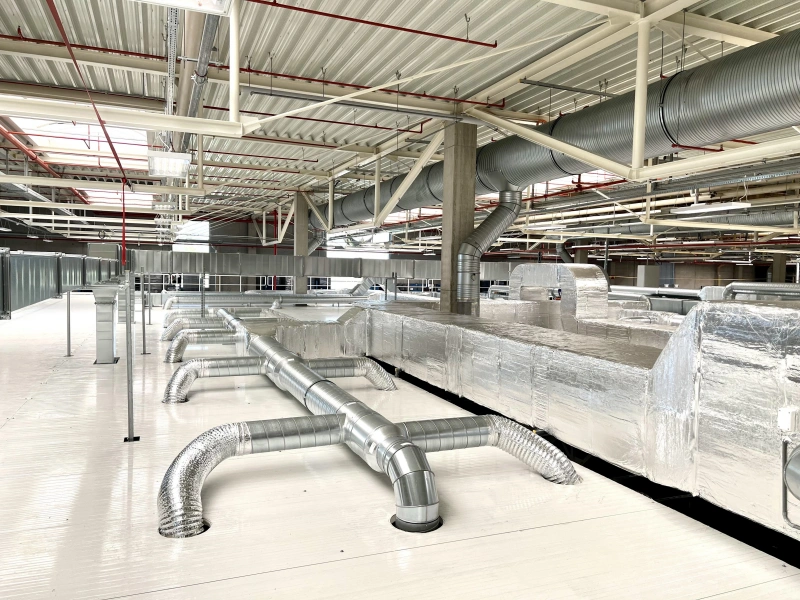
The regulating dampers, high-tightness dampers and VAV dampers in the HVAC system can be used to control the supply, return and exhaust air volumes in different areas.
By linking the air valve with the temperature, humidity, pressure difference and BMS control system, the air flow can be dynamically adjusted according to the production status.
For workshops with higher cleanliness levels or that require regional isolation, air valves with good sealing performance and adjustment accuracy should be selected.
8. Establish a filter maintenance and management system
After long-term operation, the filter will gradually accumulate dust and the resistance will continue to increase. It is recommended to monitor the operating status of the filter through differential pressure monitoring, and develop a replacement cycle based on actual resistance, air volume and usage environment.
For HEPA filters, the sealing status should also be checked regularly and leak detection tests should be performed according to project requirements to ensure that the filtration system maintains stable performance for a long time.
9. Balance cleaning effect with system energy consumption
Automobile manufacturing clean workshops usually run for a long time and the HVAC system consumes high energy. Therefore, filter resistance, fan efficiency, temperature and humidity load and fresh air volume should be comprehensively considered during design.
Using reasonable filtration levels, low-resistance filters, optimized airflow organization, and automatic air volume control can reduce long-term operating costs while meeting the requirements of the production environment.
Conclusion
The HVAC system of automobile manufacturing clean workshop should be designed as a whole around air filtration, temperature and humidity control, air flow organization, pressure difference control and energy-saving operation. Different production areas should adopt differentiated air treatment solutions based on process characteristics, rather than adopting uniform filtration and air conditioning configurations.
For projects that require the selection, customization and bulk purchase of air filters and HVAC products for automobile manufacturing clean workshops, Jiangsu Yueboyang Purification Equipment Co., Ltd. can make technical selections based on the cleanliness level, design air volume, temperature and humidity requirements, equipment size and production process, and provide primary-efficiency, medium-efficiency, high-efficiency, HEPA and activated carbon filters. At the same time, it can be equipped with FFU fan filter unit, high-efficiency air supply outlet, regulating damper, high-sealing damper and other products, providing complete supporting support for clean air system products for automobile manufacturing, painting, electronic assembly and new energy production workshops.


