
In air purification systems such as hospital clean rooms, pharmaceutical workshops, biological laboratories and electronic clean workshops, insufficient air volume, stuck air valves and blocked air outlets are the most common operating failures. These problems will not only lead to a decrease in cleanliness, pressure imbalance, and temperature and humidity fluctuations, but may also increase the energy consumption of the HVAC system and affect the safe operation of the entire clean environment. This article will analyze common fault causes and introduce corresponding diagnostic methods and solutions.
Common reasons for insufficient air volume
Insufficient air volume in the purification air conditioning system usually manifests itself as a drop in air supply speed, insufficient air changes, failure to meet the cleanliness level, or abnormal room pressure difference. The main reasons for insufficient air volume include:
The primary effect, medium effect or HEPA filter is clogged, resulting in increased system resistance;
The fan performance is reduced or the belt is loose (belt drive fan);
The air valve is not fully opened or the actuator operates abnormally;
The air duct leaks or the flange seal fails;
The setting of the air volume control valve is unreasonable;
The air supply and return ports are blocked by dust.
Therefore, it is recommended to regularly detect the system air volume, static pressure and filter pressure difference, and replace the filter in time according to changes in pressure difference to ensure long-term stable operation of the system.
Analysis of damper stuck fault
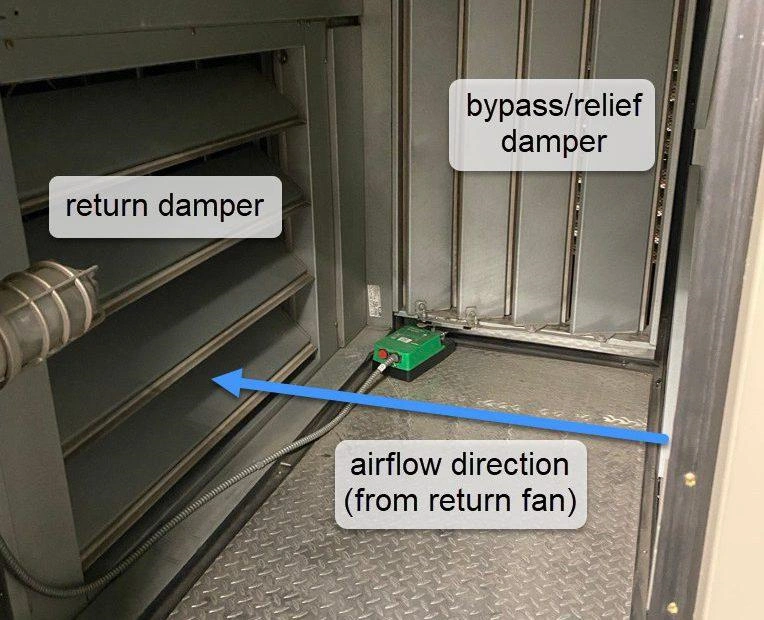
As an important control component of the air conditioning system, the flexibility of the damper directly affects the air volume adjustment effect. A stuck damper is usually caused by:
The valve shaft has been rusted or worn due to lack of maintenance for a long time;
The actuator torque is insufficient and cannot overcome the wind pressure;
The air valve blades are deformed or installed offset;
Dust accumulation affects the rotation;
The electric actuator control signal is abnormal.
Solutions include regularly lubricating the valve shaft, checking the actuator output torque, recalibrating the installation position, and testing the control signal and feedback function. For clean areas with high frequency of use, intelligent air valve actuators with long life and low maintenance can be selected to improve the reliability of system operation.
Air vent blockage and maintenance measures
After long-term operation of the air supply vents and return air vents, dust, fibers and particles are likely to accumulate, resulting in a decrease in local air volume and affecting the uniform distribution of air. For hospital laminar flow operating rooms and biosafety laboratories, it may also cause local cleanliness to fail to meet standards.
Maintenance suggestions include:
Regularly clean the air supply and return vents;
Check whether the diffuser and louvers are deformed;
Replace damaged filters or flow equalizing plates;
Perform regular air speed and air volume testing;
Carry out cleanliness verification and airflow pattern testing in key areas.
Establishing a scientific preventive maintenance plan can effectively reduce the operational risks caused by air outlet blockage.
Intelligent monitoring and fault warning
As hospitals and clean factories continue to become more intelligent, more and more HVAC systems use online monitoring technology to achieve real-time management of air volume and equipment status.
Typical monitoring equipment includes:
Differential pressure sensor
Air volume sensor
Temperature and humidity sensor
Air valve position feedback device
BAS Building automatic control system
PLC automatic control system
When the system detects a drop in air volume or an abnormal pressure difference, it can automatically issue an alarm and jointly adjust the damper opening, fan speed or VAV system operating status, thereby quickly restoring the design working conditions and reducing manual maintenance costs.
Conclusion
Although insufficient air volume, stuck air valves and blocked air outlets in the purification system are common faults, if they cannot be dealt with in time, they will directly affect the air quality of the clean room and the operating efficiency of the HVAC system. Through reasonable selection, standardized installation, regular maintenance and intelligent monitoring, the stability, safety and energy-saving performance of the air purification system can be effectively improved, providing continuous and reliable clean air guarantee for industries such as hospitals, pharmaceuticals, biological laboratories and electronic manufacturing.


