
In the food processing industry, air cleanliness directly affects product quality and food safety. In the production process of baking, dairy products, meat products, beverages, condiments, etc., oil fumes, dust and high-humidity environments in the air can easily cause oil accumulation on the surface of the filter, which not only increases operating resistance, but may also become a risk point for microbial breeding. Therefore, food-grade filter materials with oil-proof and easy-to-clean properties are becoming an important choice for modern food clean workshops.
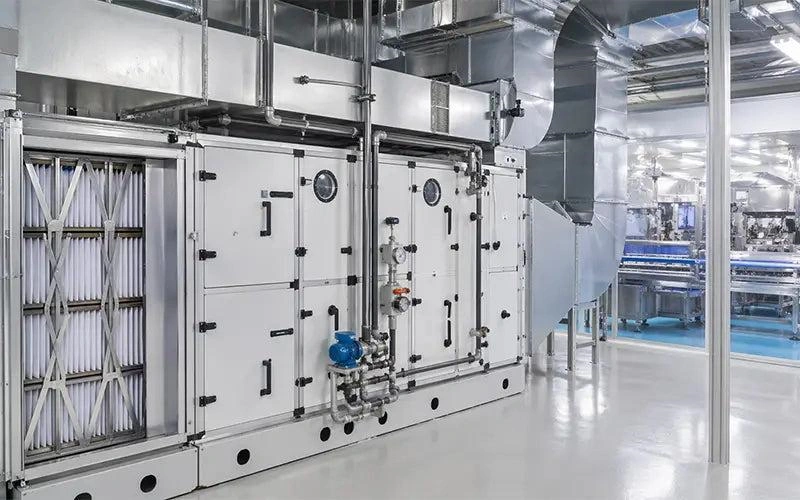
Compared with ordinary industrial filter materials, food clean workshops usually use high-performance filter materials that meet the application requirements of the food industry, combined with hydrophobic and oil-proof surface treatment technology to reduce the adhesion of grease and particulate matter, making it easier for pollutants to be cleaned or purged, thereby extending the service life of the filter and reducing maintenance costs. In high humidity and high oil mist environments, this type of filter material can maintain low operating resistance and stable filtration efficiency, improving the operational reliability of the air conditioning purification system.
In addition to filter material performance, filter structural design is also very important. Food-grade filters usually adopt a structural design with a smooth frame and better sealing, which reduces dust accumulation dead corners and facilitates daily cleaning and maintenance. For production areas that require frequent cleaning, it can also be equipped with a detachable design and corrosion-resistant materials to meet the needs of high-frequency cleaning, disinfection and long-term stable operation of the food workshop.
In practical applications, it is recommended to configure a multi-stage filtration system according to the cleanliness level of the workshop, such as using a combination of primary efficiency, medium efficiency and high-efficiency filter, which can not only effectively intercept large particles of dust, but also reduce the load of the high-efficiency filter and improve the overall filtration efficiency. At the same time, a scientific maintenance cycle should be formulated based on the characteristics of the food production process, the pressure difference should be checked regularly, and the filter element should be replaced in a timely manner to ensure a continuous and stable supply of clean air.
As food manufacturing develops in the direction of intelligence and cleanliness, food-grade filter materials that are oil-proof and easy to clean will further improve the operating efficiency of clean workshops, help companies reduce operation and maintenance costs, reduce downtime and maintenance time, and provide more reliable air purification guarantees for food safety production.


