
Semiconductor manufacturing has very strict requirements for air cleanliness and particle control. In key processes such as wafer manufacturing, photolithography, etching, and thin film deposition, particles in the air may adhere to the wafer surface, causing defects and affecting product yield and production stability.
Therefore, HEPA and ULPA filters are important components of semiconductor clean room air purification systems. But the higher the level of the filter, the better. Engineers and buyers need to make a comprehensive selection based on clean room grade, process requirements, air volume, resistance, sealing method, filter size and testing standards.
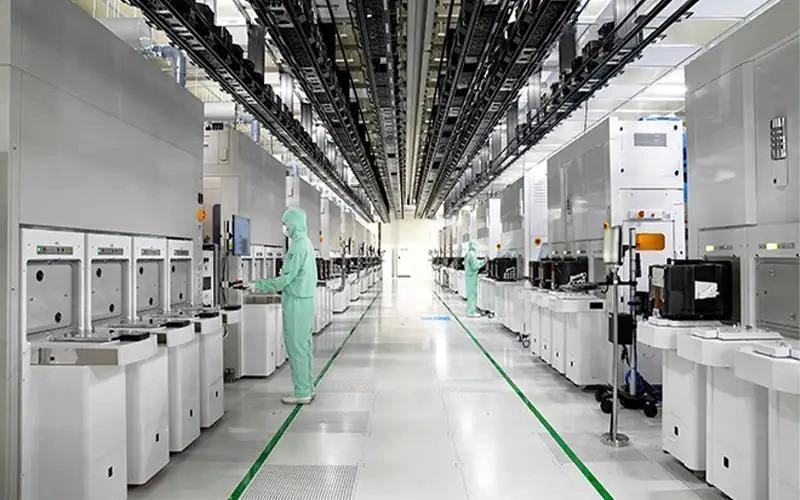
1. Why do semiconductor clean rooms need high-efficiency air filtration?
Main air pollutants in semiconductor production environments include:
Fine particles in the air
Metal particles
Fibers and suspended particles
Particles generated during the process
Some chemical pollutants
After these pollutants enter the critical process area, they may be deposited on the wafer surface or affect the production process. Therefore, clean rooms need to continuously control the concentration of particulate matter in the air through reasonable air filtration systems.
HEPA or ULPA filters are usually installed in AHU, FFU or clean room terminal air supply systems, and together with primary and medium-efficiency filters and airflow organization systems form a complete air purification system.
2. H13, H14 or ULPA? How to choose?
Not all areas of a semiconductor cleanroom must use the highest grade filters. The actual selection should be determined based on the clean room grade, production process, particle control requirements and project technical specifications.
| Application requirements | Common choices | Main considerations |
|---|---|---|
| General clean areas | H13 | Filtration efficiency, Balancing air volume and operating costs |
| Higher cleanliness areas | H14 | Higher particle control requirements |
| Key semiconductor process areas | H14 / ULPA | Determined based on process and cleanliness requirements |
| Extremely high cleanliness requirements | ULPA | Has more stringent requirements for the concentration of ultrafine particles in the air |
It should be noted that HEPA or ULPA cannot be selected solely based on the filtration efficiency. Filtration levels also need to match cleanroom design standards, process requirements and HVAC system capabilities.
3. What parameters should be paid attention to when selecting a semiconductor HEPA filter?
1. Filtration efficiency
H13, H14 and ULPA have different filtration properties. Engineers first need to determine the level of filtration required based on project requirements.
When purchasing, don’t just look at the grade “H13, H14 or ULPA”. You should also ask the supplier to provide corresponding test standards, filtration efficiency data and necessary single unit test reports.
2. Rated air volume and initial resistance
While meeting the filtration efficiency, the filter must also provide the air volume required by the project.
If the initial resistance of the filter is too high, it will increase the fan load and HVAC system energy consumption. Therefore, comprehensive considerations need to be taken into consideration when selecting projects:
Rated air volume
Initial resistance
Final resistance
Fan static pressure
System operating energy consumption
For long-term operation of semiconductor clean rooms, filtration efficiency and pressure loss need to be evaluated at the same time, and filter purchase prices cannot be just compared.
3. Filter size and installation method
Semiconductor clean rooms usually have strict requirements on the installation size of the end filter. Filters need to match FFU, clean room ceiling, AHU or terminal filter box.
Confirm before purchasing:
Length and width
Filter thickness
Rated air volume
Installation direction
Frame material
Sealing method
Connection method to FFU or terminal box
Mismatch in size or poor installation and sealing, even if the filter itself reaches the H14 level, may affect the final filtration effect.
4. Filter media and frame materials
High-efficiency filters usually use high-performance glass fiber filter media, but the semiconductor production environment may have higher requirements for material stability and compatibility.
Depending on the actual application environment, confirmation is required:
Filter strength
Frame material
Adhesive performance
Temperature and humidity adaptability range
Chemical environment compatibility
Mechanical strength during transportation and installation
If the filter is installed in an area where chemical gases or corrosive environments exist, the chemical resistance of the material should also be confirmed in advance.
5. Sealing and leakage control
For semiconductor clean rooms, the sealing performance of the filter is equally important as the filtration efficiency.
Potential leaks may come from:
Filter material
Frame connection
Sealing gasket
Gel seal
The interface between the filter and the installation box
For critical process areas, leak detection and sealing requirements should be specified in the procurement technical requirements. If necessary, the supplier can be asked to provide a single scanning leak detection test and test report.
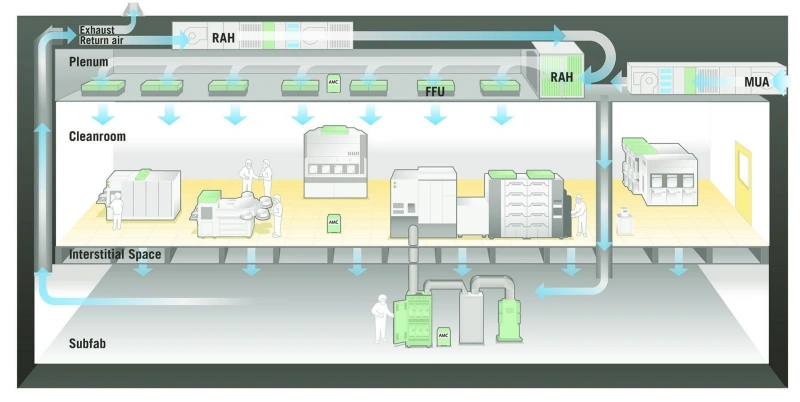
4. What parameters need to be confirmed when purchasing semiconductor HEPA filters?
Before formal inquiry and order placement, it is recommended that engineers and buyers confirm the following parameters with suppliers:
Filter grade: H13, H14 or ULPA
Applicable test standards
Rated air volume
Initial resistance
Final resistance
Filter size
Frame material
Filter material type
Sealing method
Leak detection requirements
Single unit test report requirements
Chemical resistance performance requirements
Operating temperature and humidity
Clean room grade
Installation method
Purchase quantity and subsequent replacement requirements
Clearly clarifying these parameters in advance can reduce the need for suppliers to repeatedly confirm technical specifications, and also help obtain more accurate quotations.
5. How to select HEPA filters for semiconductor clean rooms?
The actual project can be carried out according to the following process:
Step 1: Determine the clean room grade
Clear the clean room requirements for the concentration of particulate matter in the air and the clean room standards adopted by the project.
Step 2: Determine the production process
Analyze the contamination risks and cleanliness requirements of different process areas such as photolithography, etching, and deposition.
Step 3: Determine the filtration level
Choose H13, H14 or ULPA according to actual requirements, rather than simply pursuing the highest filtration efficiency.
Step 4: Confirm the air volume and resistance
Check whether the filter's rated air volume and pressure loss match the design parameters of the FFU or AHU.
Step 5: Confirm size and sealing
Make sure the filter size, frame, gasket or gel seal method matches the installation system.
Step 6: Confirm testing and documents
Determine document requirements such as filtration efficiency test, scanning leak detection, and single unit test report according to project requirements.
Step 7: Evaluate long-term operating costs
In addition to the purchase price, pressure loss, fan energy consumption, filter service life and subsequent replacement and maintenance costs should also be considered.
6. Filters cannot be selected apart from the entire clean room HVAC system
The final air cleanliness of a semiconductor clean room does not only depend on HEPA or ULPA filters.
A complete air purification system usually involves:
Primary filter
Medium filter
HEPA/ULPA terminal filter
FFU or AHU
Clean Room air supply and return system
Air flow organization
Room pressure difference control
Filter sealing installation
Operation monitoring and maintenance
Therefore, simply upgrading H13 to H14, or upgrading H14 to ULPA, does not mean that the performance of the entire clean room system will definitely improve.
Proper engineering design should match filtration levels, air volume, resistance, airflow organization and HVAC equipment.
7. Boyang Semiconductor clean room air filtration solution
Jiangsu Yueboyang Purification Equipment Co., Ltd. specializes in air filtration and clean room air purification products, and can provide HEPA, ULPA and other high-efficiency air filtration products for semiconductor, electronics, pharmaceutical and other industries.
Based on project requirements, we can assist in confirming filtration efficiency, filter size, frame material, sealing method, rated air volume and testing requirements, and match products according to the customer's clean room and HVAC system parameters.
If you are purchasing HEPA or ULPA filters for semiconductor clean rooms, the filtration grade, size, air volume, initial resistance and testing requirements can be provided. The engineering team will provide appropriate product configurations and quotations based on project parameters.


