
Medical clean areas have high requirements for air cleanliness, pressure control and air flow organization. HVAC systems in areas such as operating rooms, ICUs, negative pressure isolation wards and clean wards require precise adjustment of air supply, return and exhaust air through air valves. High-tight air valves can reduce air leakage in the closed state and play an important role in pressure control and contaminated air isolation.
1. Why do medical clean areas need high-tight air valves?
Ordinary air valves are mainly responsible for air volume adjustment and air flow control functions, while medical clean areas have higher requirements for air valve sealing performance.
When the air valve is closed or in a low air volume state, if there is a large air leakage in the valve body, it may cause air flow and affect the pressure stability of the clean area. For areas such as negative pressure isolation wards, it may also increase the risk of contaminated air spreading to other areas.
Therefore, High-tightness damper is usually used in medical HVAC systems that require high air tightness and pressure control.
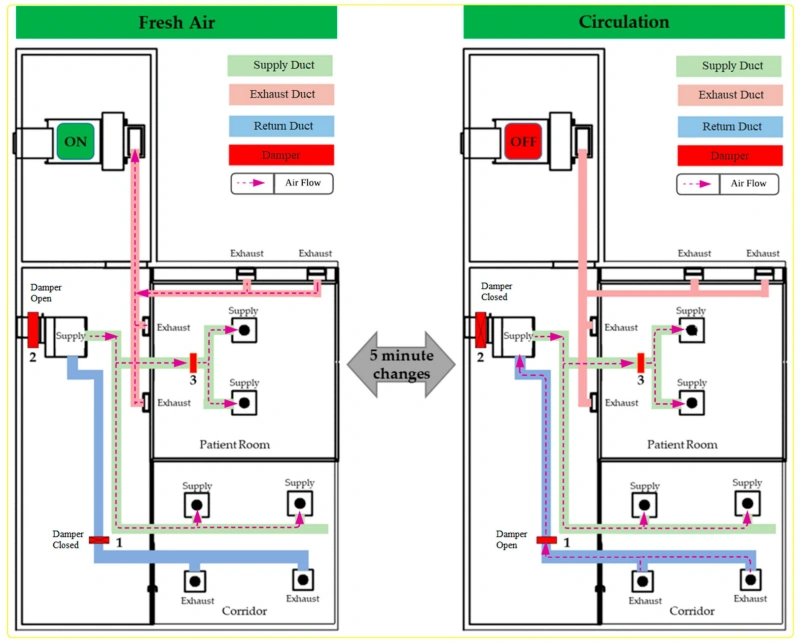
2. Main application scenarios of high-tight air valves
1. Clean operating room
The operating room needs to maintain a stable air environment and a reasonable pressure relationship. High-tight air valves can be used in air supply, return air and exhaust systems to adjust the air volume and air flow in different areas.
2. ICU clean ward
ICU wards require continuous control of air quality and air flow direction. The high-sealing air valve can cooperate with the automatic control system to adjust the air volume and reduce unnecessary air leakage.
3. Negative pressure isolation ward
Negative pressure isolation ward has higher requirements on exhaust and pressure control. High-tight air valves can be installed in relevant air supply and exhaust ducts to reduce air cross-flow during system operation or maintenance.
4. Other clean areas of the hospital
Laboratories, clean corridors, buffer zones and other medical clean spaces can also use high-tight air valves for regional air control according to system design requirements.
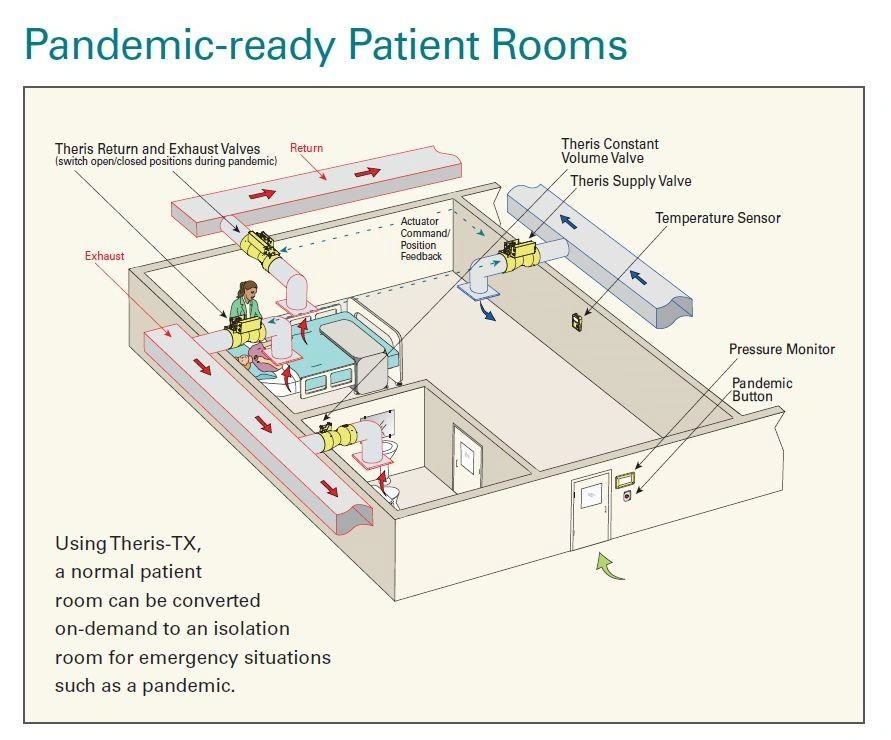
3. Key performance of high-sealing dampers
1. Low air leakage
The valve body, blades and sealing structure should have good matching accuracy to reduce air leakage in the closed state.
2. Stable adjustment performance
The air valve not only needs to be closed and sealed, but also needs to achieve stable air volume adjustment during operation to avoid air volume fluctuations affecting the clean room pressure.
3. Good sealing structure
The blade seal, shaft end seal and valve body structure will all affect the overall air leakage performance. Medical cleanliness projects should select products with corresponding sealing levels based on design requirements.
4. Actuator matching
For HVAC systems that require automatic control, the air valve should be matched with an electric actuator based on torque, control signal and operating mode to achieve linkage with pressure difference, air volume and building automatic control system.
4. How does the high-sealing air valve cooperate with the clean room control system?
High-tightness dampers are usually not independent devices, but part of the HVAC automatic control system.
For example, in a negative pressure isolation ward, a pressure difference sensor continuously monitors the pressure difference between the ward and adjacent areas. When the pressure changes, the control system can adjust the air supply or exhaust damper to restore the system to the set state.
In clean areas such as operating rooms, the corresponding air valves can be adjusted according to room pressure, air volume and operating mode to achieve air control under different working conditions.
Therefore, the damper sealing performance, actuator response speed and automatic control logic need to be matched as a whole.
5. What should you pay attention to when selecting a medical clean air valve?
It is recommended to confirm the key points when selecting the actual model:
Air leakage level: determined according to project sealing requirements;
Valve size: matches air duct specifications;
Air volume range: meets system design requirements;
Working pressure: meets actual HVAC operation Conditions;
Valve body and blade materials: selected according to the medical environment;
Sealing material: to meet long-term operation requirements;
Actuator type: matched according to the automatic control method;
Installation method: ensure that the sealing performance is not affected after installation.
For high-demand medical projects, attention should also be paid to the actual air leakage detection and system debugging after the damper is installed.
6. Jiangsu Yueboyang high-tight air valve product supporting capabilities
Jiangsu Yueboyang Purification Equipment Co., Ltd. focuses on the fields of clean air and HVAC purification equipment. It can provide high-tight air valves, clean room air filters, FFU fan filter units and high-efficiency air supply vents for medical clean areas.
For operating rooms, ICUs, negative pressure isolation wards and other medical clean areas, the company can select and customize products based on air volume, pressure, installation size and control methods, and provide supporting air conditioning and terminal purification products for hospital clean HVAC systems.
7. Summary
High-tight air valves in medical clean areas not only bear the function of ordinary air volume adjustment, but are also related to air isolation, pressure stability, air flow organization and HVAC system tightness.
In actual projects, appropriate high-tight air valves should be selected based on the cleanliness level, regional pressure relationship, air supply and exhaust volume, and automatic control requirements, and must be installed and debugged to fully play their role in the medical clean air control system.


