
HVAC dampers are mainly used for air volume adjustment, air flow control and regional isolation in air systems. Unreasonable air valve selection may result in increased system resistance, insufficient air volume, increased noise, or substandard sealing performance. Therefore, technical parameters should be fully confirmed based on system working conditions during procurement and design.
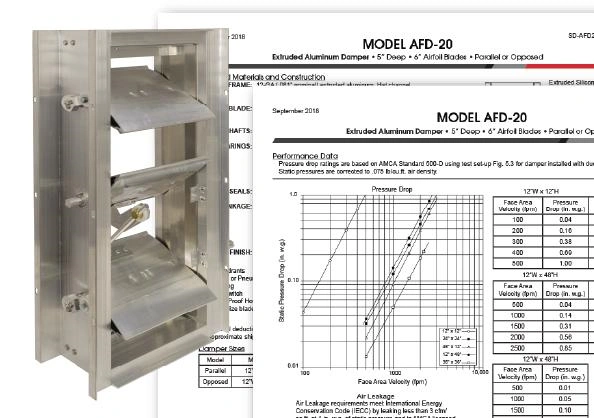
1. Air valve type
First of all, the purpose of the air valve should be clarified. Common types include regulating damper, check damper, Fire damper, smoke exhaust fire damper, closed damper, clean room damper, etc.
Different air valves have different functions, and ordinary regulating air valves cannot be used to replace products with fire protection, sealing or special control requirements.
2. Air valve size and connection method
The length, width or diameter of the air valve should be confirmed according to the air duct size, as well as the flange form, connection size and installation space.
For non-standard size air valves, it is recommended to provide air duct drawings or on-site dimensions to avoid problems that cannot be installed after arrival.
3. Design air volume and wind speed
The selection of damper needs to match the system design air volume.
Excessive air volume may cause the air valve to be too small and the wind speed to be too high, thereby increasing resistance and noise; the air valve to be too large may affect the adjustment accuracy and installation space.
Therefore, parameters such as design air volume, maximum air volume and allowable wind speed should be provided when purchasing.
IV. Working pressure and temperature
The air valve needs to operate stably within the specified pressure and temperature range.
For ordinary HVAC systems, the system static pressure and operating temperature should be confirmed; for special working conditions such as high-temperature smoke exhaust and industrial air treatment, the temperature resistance level and material requirements need to be further confirmed.
5. Air leakage rate and sealing performance
For ordinary air supply and return air systems, the air valve mainly focuses on the adjustment performance and reasonable air leakage level.
Air valves in clean rooms, hospitals, pharmaceuticals, laboratories and isolated areas need to focus on sealing performance and air leakage rate.
If the damper is installed between different clean areas or used to isolate contaminated air, a high-tightness damper should be selected according to project requirements.
6. Adjustment range and control method
It is necessary to confirm the adjustment performance of the air valve according to the system control method.
Manual dampers are suitable for fixed air volume adjustment; electric dampers are suitable for HVAC systems that require automatic control.
If you need to connect to the BMS or DDC system, you should also confirm the actuator's power supply, control signal, torque, switching time, position feedback and other parameters.
7. Materials and seals
The valve body, blades, rotating shaft and sealing materials of the air valve need to be selected according to the use environment.
Ordinary HVAC systems can choose galvanized steel plates, aluminum alloys and other materials based on cost and corrosion resistance requirements; hospitals, clean rooms and corrosive environments may require stainless steel or other special materials.
8. Noise and system resistance
The air valve will produce certain resistance to the air flow. When selecting, attention should be paid to the voltage drop in the fully open state and the operating noise at different openings.
If the system has high noise requirements, the air valve size should be reasonably selected while satisfying the air volume control to avoid long-term operation at excessively high wind speed or small opening.
9. What parameters need to be provided when purchasing?
In order to reduce selection errors, it is recommended to provide the supplier with:
Air valve type, size, design air volume, maximum air volume, working pressure, working temperature, air leakage requirements, materials, connection methods, control methods, actuator parameters and installation environment.
For clean rooms, hospitals and special industrial projects, cleanliness levels, pressure difference requirements and related testing standards should also be provided.
Conclusion
HVAC damper selection cannot be determined based solely on the size of the air duct, but should comprehensively consider the damper type, air volume, wind speed, pressure, temperature, air leakage rate, adjustment range, materials, actuators and system control requirements. The clearer the parameters, the easier it will be for suppliers to make accurate selections, and it will also reduce the risks of later installation and commissioning.
For projects that require HVAC damper selection, customization and bulk purchase, Jiangsu Yueboyang Purification Equipment Co., Ltd. can make technical selections based on customers' air duct size, design air volume, working pressure, cleanliness level and control requirements, and provide regulating air valves, high-tightness air valves, clean room air valves and supporting electric actuators and other products, providing complete air valve support for HVAC, clean room and industrial air control systems.


